
Ready for 2026? How a New Year’s Financial Check-Up Can Secure Your Retirement
The start of a new year is an ideal time for a financial check-up. As your life, investments, taxes, and estate change over time, a simple “set it and forget it” approach isn’t enough when real wealth is on the line.
Instead of simply filing taxes and moving on, this is the moment to audit your entire financial life so your retirement planning in Connecticut stays protected today and positioned for the years ahead.
This article from Heritage Capital LLC highlights four essential areas to evaluate as you prepare for 2026.
1) Strategic Tax Optimization and Projections
A New Year check-up should start with tax strategy, not tax filing. Complicated tax rules, shifting brackets, and changing legislation make forward-looking tax planning one of the most valuable habits you can adopt.
A great first step is to review not just last year’s realized gains and losses, but also any dividends, interest, and capital gain distributions. Understanding how these flowed through your return helps clarify your actual tax exposure. It’s also a good time to evaluate the role of tax-free municipal bonds, muni money markets, and qualified dividends that may receive more favorable tax treatment.
It’s also important to revisit your retirement plan contributions. Many high-income earners benefit from advanced strategies such as backdoor Roth IRAs or, when available, mega backdoor Roth contributions inside employer plans. Reviewing these options early in the year gives you increased flexibility in timing and execution.
You might benefit from Qualified Charitable Contributions (QCDs), which can help reduce your taxable income while supporting the charitable causes you care about.
Running projections for possible tax bracket creep helps you plan your actions now rather than reacting later. Good planning looks beyond this April and projects where your decisions today place you in 2026 and beyond.
2) Investment Drift and Risk Alignment
Even when your goals remain stable, your portfolio rarely stays perfectly aligned without intervention. Market performance creates drift. Asset classes fluctuate at varying rates. A portfolio that was balanced a year ago may now carry unintended risk.
A New Year financial check-up should include a detailed review of asset allocation. Rebalancing may be necessary to bring your holdings back in line with your actual target allocation. This can help control risk while capturing gains from areas that have appreciated.
For high-net-worth investors, illiquid assets deserve special attention. Private investments, business interests, real estate, or alternative positions often lack frequent valuation updates. A review of the current value of these holdings helps present a more accurate picture of your overall portfolio. Without this step, risk levels may appear lower or higher than they truly are.
This is also the time to stress-test your investments. The economic environment entering 2026 is marked by ongoing uncertainty regarding inflation, interest rates, and market volatility. Evaluating how your portfolio might react under different conditions gives you insight and helps prevent surprises later.
Your investment strategy should evolve as the world around you shifts. An annual check-up confirms that your risk level matches your time horizon, retirement needs, and multi-year financial goals.
3) The Advisor Relationship Audit: Fiduciary Focus
A financial check-up isn’t complete without evaluating the quality of your advisory relationship. A high level of service and experience is required for investment management and retirement planning for high-net-worth individuals.
Start with asking:
- Is your advisor a fiduciary who is legally obligated to put your interests first?
- Do they provide coordinated solutions that connect investments, taxes, and estate planning?
- Are they proactive, contacting you with recommendations before problems arise?
- Do they manage your portfolio directly—or outsource it to unknown sub-managers you’ve never met?
Transparency is key, and if your advisor hasn’t explained how they’re compensated or whether any conflicts of interest exist, it may be time to reevaluate and consider switching financial advisors.
Partnering with a fee-only financial advisor, such as those at Heritage Capital in New Haven, CT, can offer a more straightforward path forward. Fee-only fiduciary advisors don’t sell products or earn commissions. Their role is to provide independent, objective guidance, particularly for clients with sophisticated portfolios, estate needs, and multi-layered tax considerations.
This relationship audit confirms that your advisor is delivering the experience, insight, and active management your wealth requires. If you’ve noticed gaps in communication or planning, changing financial advisors early in the year is much smoother than waiting until tax season intensifies.
4) Estate, Insurance, and Document Review
Estate and insurance reviews often get overlooked, even though they can impact your wealth just as much as investment or tax decisions.
Begin your New Year’s check-up by reflecting on the past year.
- Did you welcome a new child or grandchild?
- Did a marriage, divorce, or major health change occur?
- Did you acquire new property or business assets?
Any life event can potentially alter your estate plan.
Next, review your beneficiary designations across all accounts, including retirement plans, brokerage accounts, and life insurance. Beneficiary listings override wills, which means they must accurately reflect your intentions.
Insurance policies also deserve attention. High-net-worth families often need larger umbrella policies, updated property coverage, or revised life insurance amounts that reflect inflation or changes in net worth. These policies protect your family against unexpected financial threats, and an annual review ensures they continue to meet your needs.
Finally, revisit key legal documents such as your trust, powers of attorney, and medical directives. These documents work together to protect your family and direct the management of your wealth.
Start 2026 With a More Proactive Wealth Management Partner
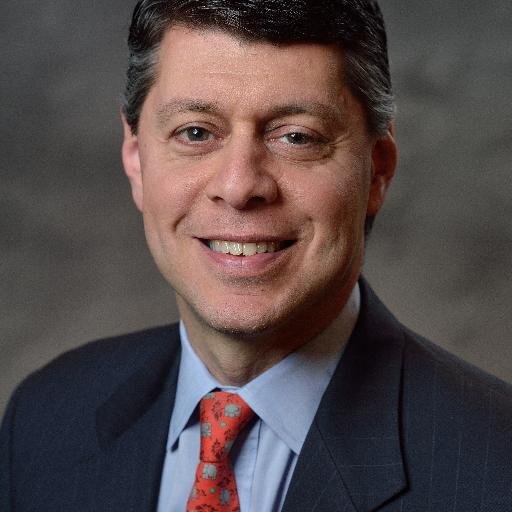
At Heritage Capital, you work directly with an experienced portfolio manager who reports to you, not layers of intermediaries. Our money manager, Paul Schatz, AIF®, brings decades of hands-on expertise in active management and risk control. We act as your legal fiduciary, placing your interests first and offering advice free from commissions or product sales.
Our team delivers direct communication, unlimited support, and a structured process designed for high-net-worth families who value proactive guidance and personalized service. For over 30 years, we’ve helped clients thrive in retirement by prioritizing planning, discipline, and forward-looking strategies.
If you’re ready to transition from passive planning to a more active approach, contact us to start the conversation.