
Are Your 2026 Financial Resolutions HNW-Ready? A Guide to Retirement Planning in New Haven, CT
Most New Year’s resolutions fade by February, but for high-net-worth families, the right resolutions can influence decades of wealth, legacy, and retirement security.
Generic “save more, spend less” advice often falls short in meeting the needs of affluent households, particularly when multiple properties, business interests, charitable goals, and substantial retirement accounts are involved.
This guide from Heritage Capital outlines three powerful HNW-level resolutions that will help you refocus your finances, lifestyle, and retirement planning in Connecticut for a more confident 2026.
1) Redefine Lifestyle Goals and Long-Term Priorities
Retirement planning for high-net-worth individuals is more than just a financial exercise. It’s about designing the next decades of your life with purpose and practicality.
Clarify What Quality of Life Means To You
Start by reassessing what “quality of life” means moving forward. To many, it includes:
- Travel plans
- Philanthropic involvement
- Family engagement
- Community service
- Personal or intellectual projects
These decisions deserve as much attention as portfolio returns.
Consider Whether Phased Retirement Fits You
For professionals, physicians, attorneys, and business owners, phased retirement is an increasingly popular topic. Instead of stepping away fully, many choose reduced schedules or advisory roles.
Ask yourself:
- How would reduced work hours affect income and spending?
- Would advisory or consulting roles be part of my next stage?
This transition affects income, tax exposure, and other areas, so it’s wise to factor it into your financial planning.
Stress-Test Lifestyle Choices With Real Analytics
The most overlooked part of lifestyle planning is the math. Simple cash-flow spreadsheets rarely capture the real sequence-of-returns risks that retirees face. Advanced Monte Carlo modeling can stress-test your desired lifestyle under different market environments. This helps determine whether your spending level is realistic or whether adjustments are needed.
If your advisory relationship is not having these conversations, consider switching financial advisors.
The Heritage Capital team understands that Connecticut’s high-net-worth families often maintain substantial expenses — private schools, real estate taxes, medical costs, and travel. Retirement planning in Connecticut must be carefully stress-tested rather than relying on assumptions.
2) Strengthen Cash Flow and Liquidity Planning
Entering 2026, uncertainty around interest rates, taxes, and markets remains elevated. Liquidity is the foundation that keeps your retirement plan intact. Without predictable access to cash, even wealthy households can face unnecessary strain.
Evaluate Your Cash Reserves
After holiday spending, final capital gains distributions, and year-end charitable gifts, your liquidity may look different from what you expected. Rebuilding or right-sizing reserves gives you flexibility as the year unfolds.
Reassess Multi-Year Cash Requirements
Look ahead at expenses that can meaningfully influence cash flow, such as:
- Education and tuition costs
- Real estate expenses
- RMDs and tax-driven withdrawals
- Philanthropic pledges
- Business transitions or expansions
Planning several years ahead helps prevent surprises and reduces the likelihood of forced sales during market declines.
Prepare for Tax Obligations
High-income Connecticut residents frequently face substantial federal and state liabilities early in the year. Setting aside funds for April payments or timing income events strategically can reduce pressure on your investment accounts.
Review Upcoming Income Events
This is an ideal time to evaluate:
- Annual bonuses
- Deferred compensation payouts
- Business-related capital events
A review allows you to time income in more favorable years or prepare for any potential liquidity needs resulting from tax impacts.
Address Illiquid Asset Challenges
Illiquid assets complicate cash flow, particularly for New Haven-area professionals holding:
- RSUs and stock options
- Private equity interests
- Real estate investments
- Business ownership stakes
These assets can appreciate quickly but may not be easily converted to cash when needed. Determining whether these holdings require supplemental liquidity buffers helps maintain stability during periods of volatility.
Resolving to strengthen cash flow and liquidity positions you for a smoother year ahead.
3) Reduce Lifetime Taxes — Not Just This Year’s
The biggest tax wins for affluent families rarely come from deductions or last-minute moves. They originate from a well-planned, multi-year strategy.
Use Roth Conversions Strategically
Gradually shifting pre-tax assets to Roth accounts can help manage future RMDs and flatten bracket creep. This is particularly important for couples who expect income to rise, inherit assets, or face larger RMDs later.
Coordinate Tax-Efficient Withdrawal Sequences
Families with multiple account types, taxable, IRA, Roth, and deferred compensation, benefit from coordinating which accounts fund different years of spending. A thoughtful order can reduce taxes across decades, not just in the current cycle.
Shift Assets Into Tax-Advantaged Vehicles
Donor-advised funds, charitable trusts, municipal bonds, and muni money markets offer opportunities to improve tax control. The key is aligning these tools with your estate and retirement plan.
Optimize Asset Location
Not all investments are taxed the same. Those with more favorable tax treatment typically belong in taxable accounts, while assets that generate higher ordinary income often fit better in tax-advantaged accounts. Placing each investment in the right bucket can reduce annual tax impact.
Connecticut’s high tax burden makes multi-year planning essential for achieving your financial goals.
Do you feel like your advisor is giving generic advice, not maintaining regular contact, or pressuring you with sales? These are signs to seriously consider changing financial advisors and start working with an experienced, fee-only financial advisor in New Haven, CT, like those at Heritage.
Why Consider Heritage for Retirement Planning in Connecticut
You’ve spent years building your wealth. Now, as you near or enter retirement, you deserve a team dedicated to planning and supporting the life you want.
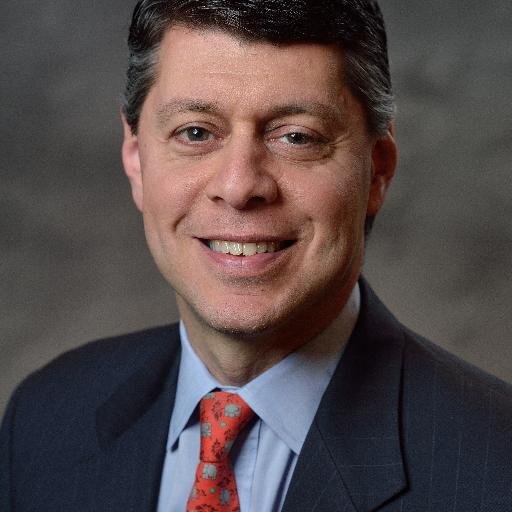
At Heritage Capital, you work directly with our portfolio manager, Paul Schatz, AIF®, not outsourced managers. Paul brings more than three decades of hands-on experience and is a frequent guest on CNBC, Fox Business News, and Yahoo Finance.
As a fee-only fiduciary firm, we provide independent guidance designed for high-net-worth families who value clarity, planning discipline, and active management.
Your 2026 financial resolutions are important to us, and we stand ready to help.
Contact us for a complimentary, no-obligation consultation.
Frequently Asked Questions
What Goals Do High-Net-Worth Individuals Focus On?
Lifestyle priorities such as philanthropy, legacy planning, travel, and phased retirement, along with a long-term tax and investment strategy.
Why Is Liquidity Planning Important for Affluent Households?
Large expenses, RSUs, real estate, and tax obligations can strain cash flow without a structured liquidity plan.
When Should I Consider Switching Financial Advisors?
If communication is limited, advice is generic, or tax and estate planning aren’t coordinated with your investments.